

America is entering one of the most significant demographic shifts in its history. Every day, thousands of Baby Boomers reach retirement age, and with longer life expectancies comes a growing responsibility to create safer homes, businesses, hospitals, hotels, restaurants, showers, tubs, and public spaces.
Prefer to watch instead of read? In this short video, I explain why America’s aging population faces a growing slip-and-fall crisis and why I believe current floor safety standards have failed to keep pace.
That was the focus of my recent article published in LA Weekly, where I discussed what I believe is one of the most overlooked public safety issues in America: slippery floors.
For nearly forty years, I’ve investigated slip-and-fall accidents, tested flooring materials, and worked with property owners, manufacturers, architects, attorneys, and government agencies. One thing has become abundantly clear:
Most slip-and-fall accidents are preventable.
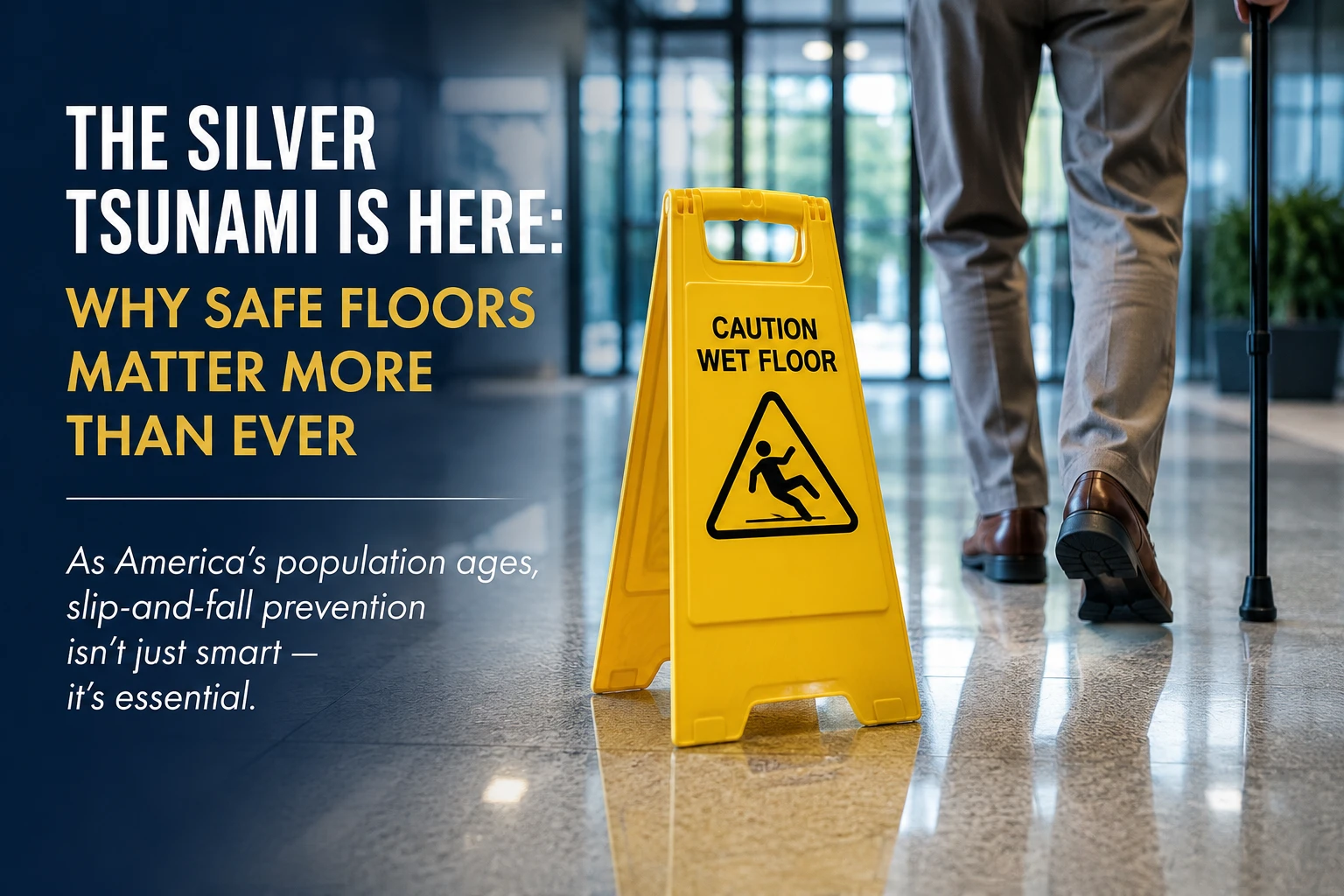
The technology exists today to accurately measure slip resistance using reliable international test methods such as ASTM E303-22 and AFSA FS101-25. Unfortunately, many facilities still rely on outdated assumptions, visual inspections, or testing methods that were never intended to determine whether a floor is actually safe for walking.
The ASTM has a long history of publishing bad test methods in this field of study, allowing industry insiders and full-time expert witnesses to create bogus tests that never worked and were never even considered by the international slip testing community. Now we’re left with slippery tubs, slippery floors where everyone shops, and an aging population that will soon show up in emergency rooms at an unprecedented rate, proving that organizations like the ASTM and the NFSI has let America down. BIG-TIME. And now it will cost lives at a historic rate.
As America’s population ages, the consequences become more severe.
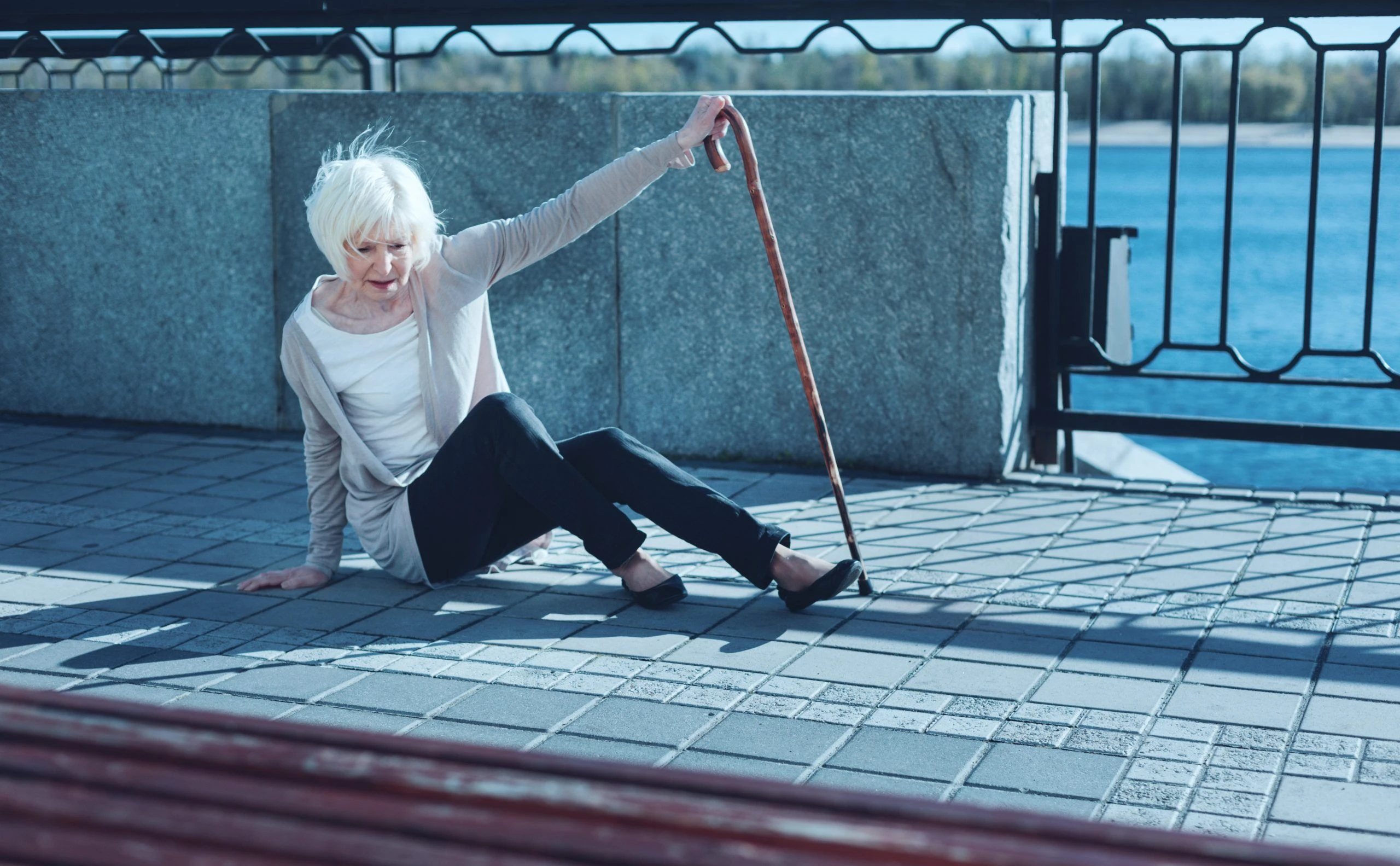
A fall that might leave a healthy twenty-five-year-old with a bruise can leave an older adult with a fractured hip, traumatic brain injury, permanent disability, or worse. Beyond the human suffering, these injuries cost families, businesses, insurance companies, and taxpayers billions of dollars every year.
The encouraging news is that this problem is solvable.
Today’s flooring can often be made dramatically more slip resistant without replacement. Reliable testing methods can identify hazardous walking surfaces before someone is injured, and modern anti-slip floor treatments can provide years of increased traction while preserving the appearance of the floor.
My hope is that the LA Weekly article helps bring greater public awareness to this issue and encourages building owners to think proactively instead of waiting until after a serious injury occurs.
Slip resistance should never be guessed. And it should never be measured with flooring-industry-created bogus tests like ANSI A326.3 or ASTM D2047.
It should be measured. With a pendulum tester.
If your facility contains polished tile, marble, terrazzo, concrete, epoxy flooring, pool decks, shower floors, commercial kitchens, or other hard-surface walking areas, professional slip-resistance testing can determine whether those surfaces provide appropriate traction under real-world conditions.
As our population continues to age, creating safer walking surfaces isn’t just good risk management—it’s the right thing to do.
If this article encourages even one property owner to evaluate their floors before someone gets hurt, then it has served its purpose.
Thank you to LA Weekly for helping bring attention to an issue that deserves far greater public awareness.