
A wet floor can cost a business far more than most property owners realize.
When people consider the financial consequences of a slip-and-fall injury, they usually think about the resulting insurance claim or settlement. But those are only the most visible expenses. A serious incident can also produce years of legal distraction, employee absences, operational disruption, increased insurance premiums and lasting damage to a business’s reputation.
A new Benzinga article featuring floor safety expert John Sotter examines these frequently overlooked costs—and explains why preventing an injury is usually far less expensive than dealing with one afterward.

The expenses that never appear on the settlement paperwork
A slip-and-fall lawsuit can remain active for two or three years. During that time, owners and managers may spend countless hours locating records, meeting with attorneys, preparing for depositions and responding to requests for information.
Even when an insurance company pays most of the legal expenses or settlement, it cannot return the time consumed by the case. Nor can it compensate an owner for the stress, sleepless nights and attention diverted away from operating and growing the business.
When an employee is injured, the financial consequences can extend even further. The company may lose an experienced worker, pay overtime, hire and train a temporary replacement or operate less efficiently while the employee recovers.
Those indirect expenses can quietly multiply the true cost of the incident.
A slip can damage more than the injured person
A serious fall can also affect the way customers, employees and visitors perceive a property.
People talk about their experiences. An injured visitor may tell family members, friends, coworkers and online communities what happened. While a lawsuit slowly moves through the legal system, the reputational damage can continue spreading.
Customers who no longer feel safe may decide not to return. Employees may also become concerned if they believe management has failed to address a known problem.
Trust can take years to build and only seconds to damage.
Insurance is not a floor-safety program

Liability insurance is essential, but it should never be treated as a substitute for preventing injuries.
Repeated slip-and-fall claims can lead to higher premiums, larger deductibles or demands from an insurer that hazardous conditions be corrected. In severe cases, a business may struggle to renew its policy or obtain affordable replacement coverage.
By that point, the property owner is no longer deciding whether to invest in floor safety. The insurance company may effectively be making that decision for them.
Prevention begins with reliable information
Most serious slip-and-fall incidents are not unavoidable accidents. Property owners can substantially reduce their exposure through:
- Proper wet slip-resistance testing
- Documented inspection and maintenance procedures
- Appropriate entrance matting and water-control measures
- Employee training
- Effective slip-resistant flooring or treatments
- Prompt correction of dangerous surfaces
The important first step is determining how the floor actually performs under the conditions in which people use it. A surface that appears perfectly safe when dry may become dangerously slippery when exposed to rain, cleaning solution, condensation, grease or another contaminant.
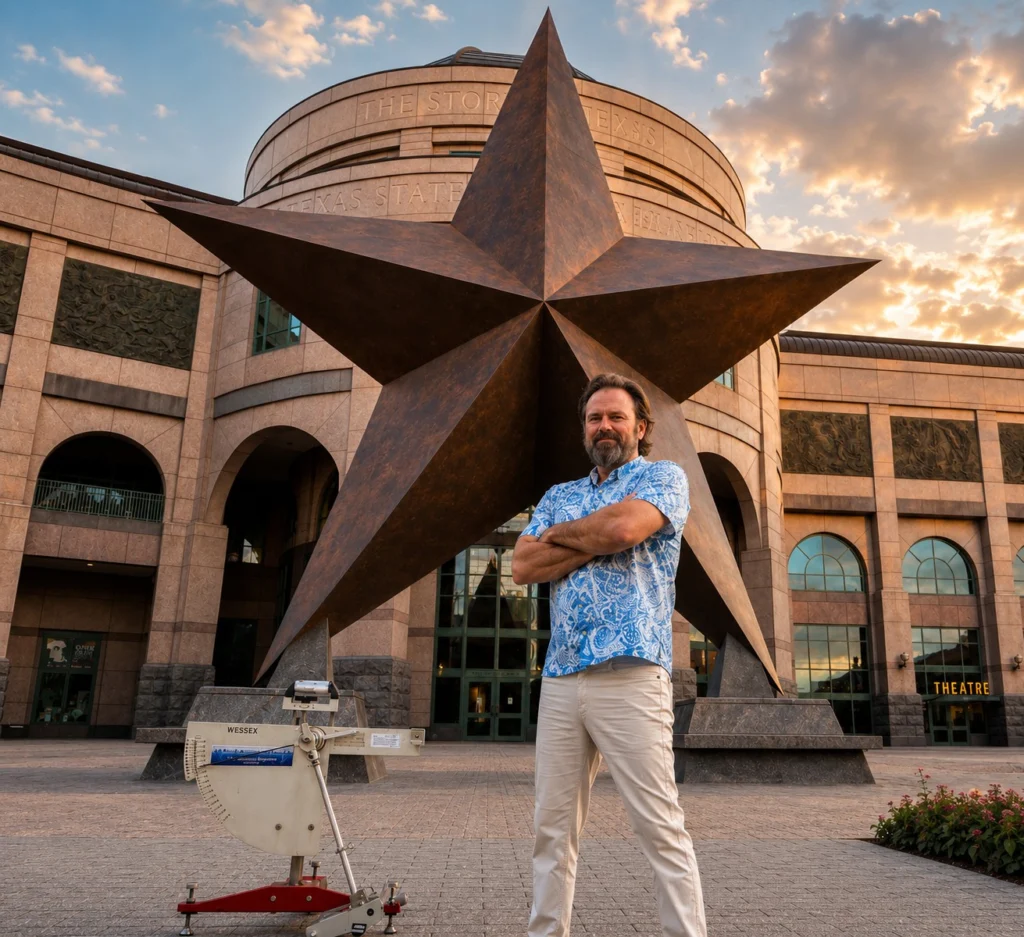
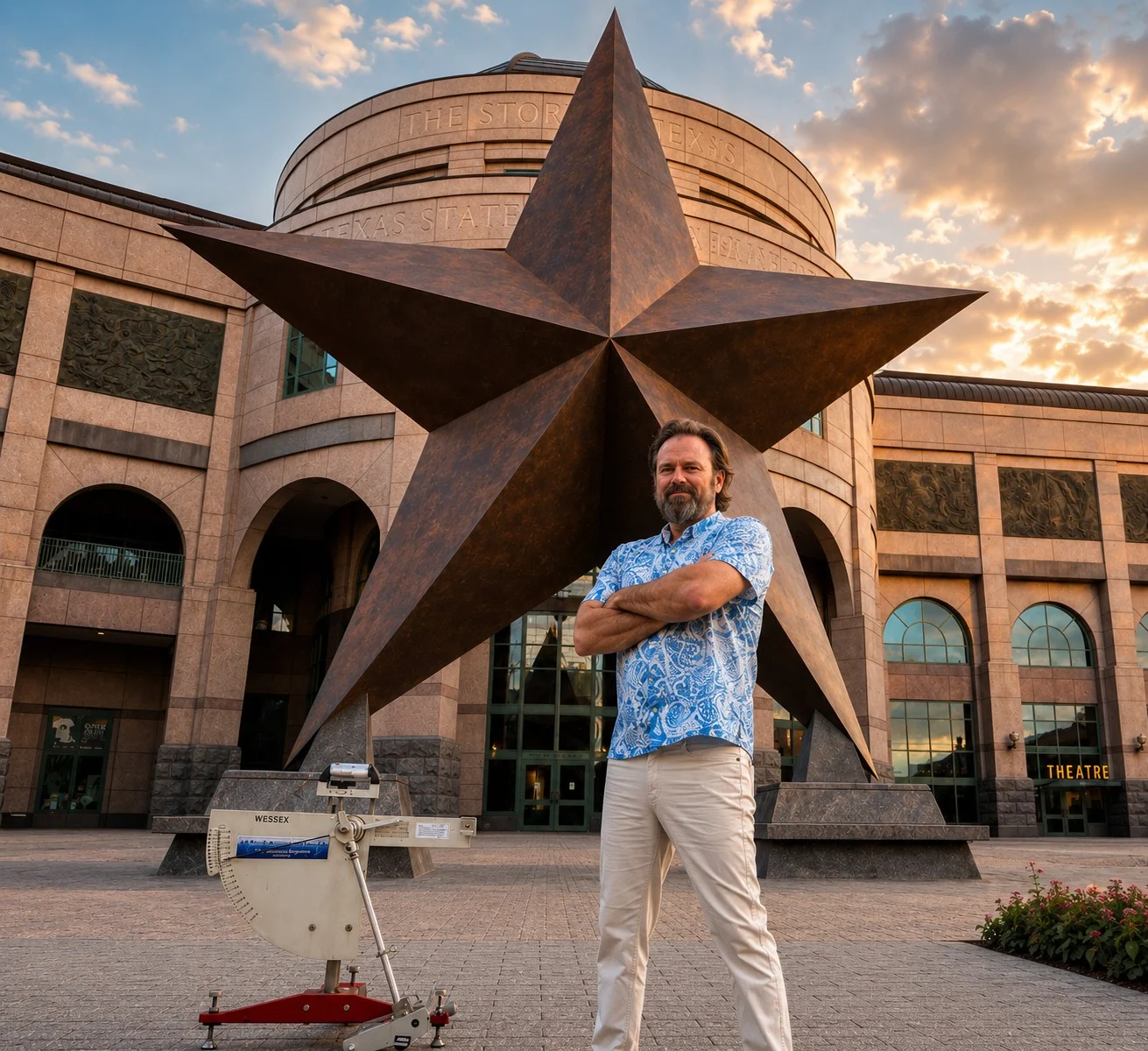
The British Pendulum Tester allows a qualified operator to evaluate a floor under realistic wet conditions and obtain objective information about its slip resistance. That information helps owners identify hazardous areas and select an appropriate corrective action before someone is injured.
Preventing injuries is unquestionably the right thing to do. As the Benzinga article makes clear, it is also one of the smartest financial decisions a property owner can make.
Read the complete Benzinga article here.
Safety Direct America provides laboratory and on-site floor slip-resistance testing, expert consultation and effective solutions for hazardous floors. Contact us to learn how we can help identify and correct slip hazards before an injury occurs.