

A recent pendulum dynamic coefficient of friction (DCOF) floor slip resistance proficiency test research study, organized by Carl Strautins of Safe Environments Pty Limited in Australia, showed that Sotter Engineering Corporation (Safety Direct America’s slip resistance testing lab) was the most accurate lab in the world when it came to Sustainable Slip Resistance (SSR) Testing with the pendulum. #1 in the world.
This test uses the pendulum tester to assess the slip potential (or slip resistance) of a flooring sample, and then the sample goes through a simulated wear procedure which mimics 1-2 years of heavy foot traffic. Then another pendulum DCOF test is done to see if the slip resistance has changed. This test is the world’s most reliable and important slip resistance test when it comes to lab testing for architects and specifiers because it gives the client the most accurate real-world slip potential of a floor (before it is installed) for two conditions:
1. when the flooring is first installed and brand new, and
2. after the floor has gone through a year or two of heavy foot traffic.
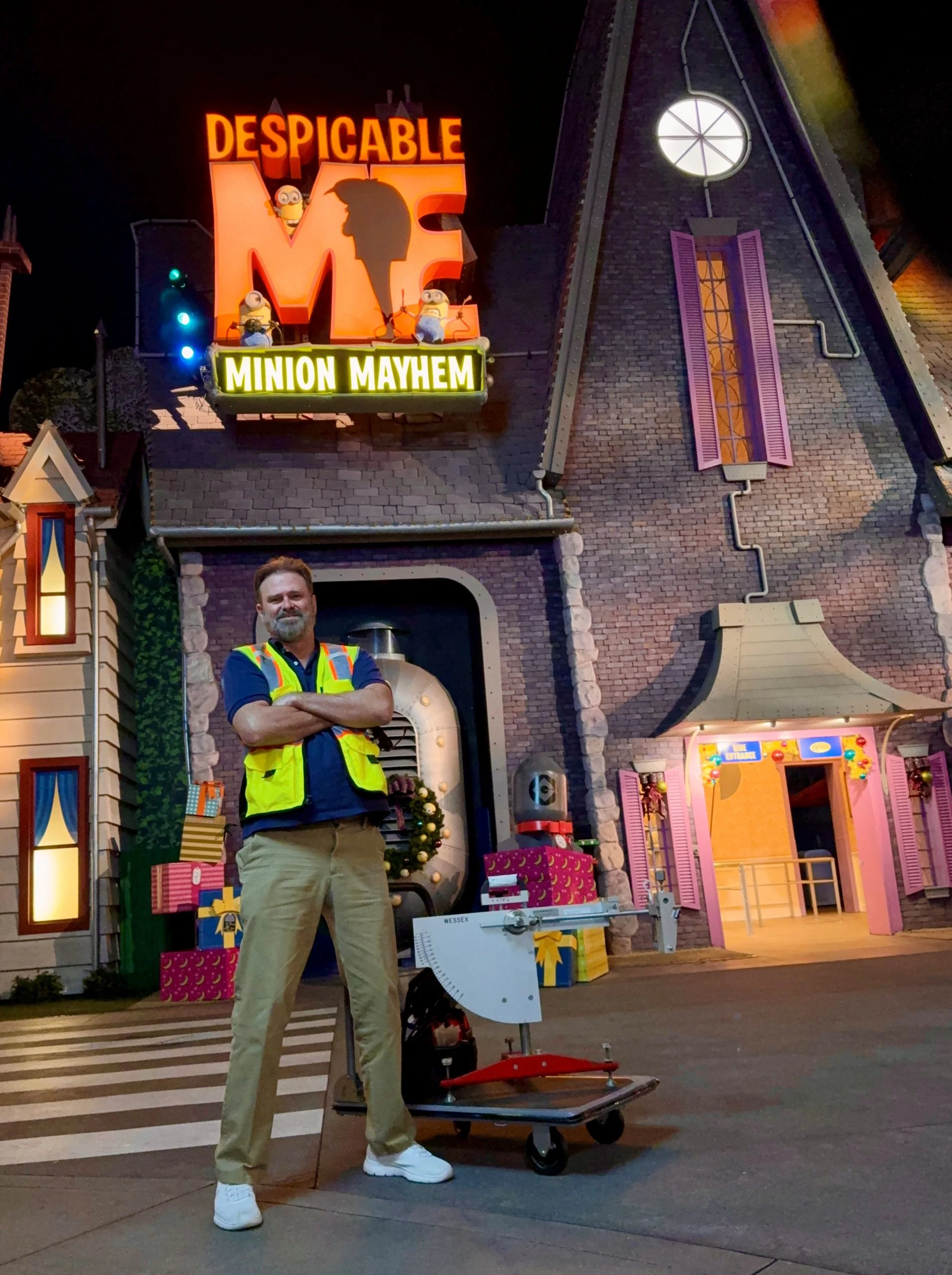
The pendulum floor slip resistance tester has a peer-reviewed published test method in over 50 nations on five continents. It was originally created for the U.S. National Bureau of Standards with the first study using results from pendulum research published in 1943. The pendulum tester is sometimes referred to as the “British pendulum tester”, after it became officially validated in many experts’ eyes as the world’s most reliable slip resistance testing tool after British researchers tested 3,500 slip and fall incident sites and published their findings over 50 years ago.
This and other research studies conducted in various nations led to the United Kingdom’s Health and Safety Executive (HSE) publishing safety guidelines for pendulum test results. Australia later published a much more detailed list of recommendations using pendulum test values (PTV) for various areas of buildings, such as outdoor sidewalks, stairs, kitchens, lobbies, bathrooms and ramps.
With this SSR slip resistance test data, an architect or specifier can have peace of mind when installing a certain type of flooring that the floor will be slip resistant when new, and will retain its slip resistance over time and won’t need to be replaced after a year or two.
In 2018, Mr. Strautins conducted the first pendulum proficiency test that Sotter Engineering’s slip testing lab took part in (Proficiency Testing Report No. 26833, Safe Environments Pty Ltd), along with 39 other pendulum floor slip resistance testing labs in eight countries throughout North America, Europe, Asia, Australia and New Zealand. Identical tiles were sent to all 39 labs, and results were kept confidential (to not embarrass labs that did not do well in the study). Each lab was assigned a letter so that they could see how close they came to the correct answers for the tiles sent out to each lab for this study. Results showed that Sotter Engineering’s test lab was one of the top three most accurate in the world.

Again in 2022, Mr. Strautins organized another “pendulum proficiency test” for labs throughout the world, in which 20 laboratories participated. That study was the study mentioned earlier that showed that Sotter Engineering was the world’s most accurate and precise pendulum testing lab when it comes to Sustainable Slip Resistance pendulum testing.
Also in 2022, John C Sotter of Sotter Engineering Corporation made numerous changes to (American Society for Testing and Materials) ASTM E303-22, which is the USA’s version of the pendulum slip test that was published and has been in continuous use since 1993. Mr. Sotter’s changes and additions to ASTM E303-22 were intended to make it more closely mimic the recently-updated pendulum test methods used across Europe, the United Kingdom, New Zealand and Australia. Numerous research studies and proficiency tests were helping pendulum test method creators make their test methods come up with more precise results, and produce more repeatable results. John C Sotter brought ASTM E303 light-years ahead in 2022 by making several changes to make the test more repeatable and precise.
Verification surfaces and their correct test values were also published in the ASTM’s 2022 version of ASTM E303-22 so that pendulum users could validate that they were getting the correct answers on three easily-obtainable surfaces that covers the spectrum of readings on the pendulum – a very slippery surface, a moderately slip resistant surface, and a very slip resistant surface. This way pendulum users could check that their pendulum was working correctly in between annual calibrations, but they could also check that they were correctly following the directions when using the instrument and getting the correct values for known surfaces.
The proficiency tests organized by Mr. Strautins showed that some labs were not getting results close enough to the correct results on some surfaces, meaning either their pendulum was out of calibration, or the user needed to go over the test method again to make sure they were conducting the test properly. Even some professional floor slip resistance test labs were not doing well in these proficiency tests. And some not doing so well were ISO-accredited labs.
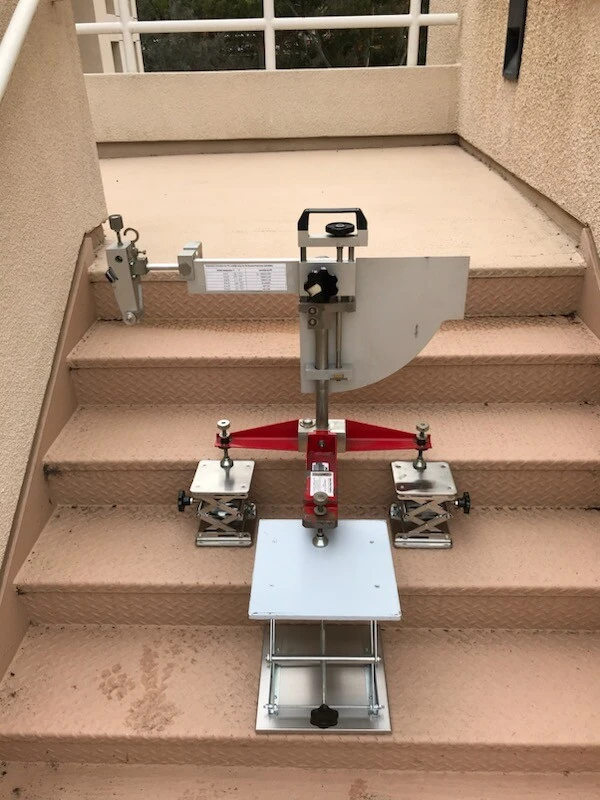
Believe it or not, it does normally take a little bit of experience to get accurate results on the pendulum tester, and extremely experienced users like John C Sotter will get extremely accurate results (as shown in three international proficiency tests), and first-time users will often get erroneous or inaccurate results because they are not yet familiar enough with the test method or the instrument. You don’t just push a button on the pendulum and it gives you the answer. There’s a bit more to it.
Inexperienced users will perhaps forget to tighten to locking knob on the back of the instrument before testing, for instance, or they’re using a rubber slider that wasn’t prepared properly according to the test method’s instructions. There’s a myriad of mistakes that can be made by an inexperienced pendulum user. It takes just a bit of instruction, training, and experience before a pendulum user is proficient. And some ISO-accredited labs apparently are not totally proficient, likely because they’re “specializing” in a hundred different types of tests, so they’re a master of none.
This is why renting a pendulum is very bad idea, both for that pendulum and for obtaining accurate results. Sending a delicate engineering device to an untrained “first-time user” and then to another “first-time user” all year long will certainly cause damage to the instrument (and rubber sliders), and results would likely not be very accurate at all when someone has had no training or experience with the device. Mr. Strautin’s proficiency tests showed that even professional labs sometimes make mistakes and get bad results. We only know of one company in the entire world that rents pendulums. It’s a super dumb idea. Spend a few extra dollars and get a trained professional to test your floors. One small slip and fall lawsuit will cost you a whole lot more than getting a trained expert to come in and do your floor slip resistance testing for you.
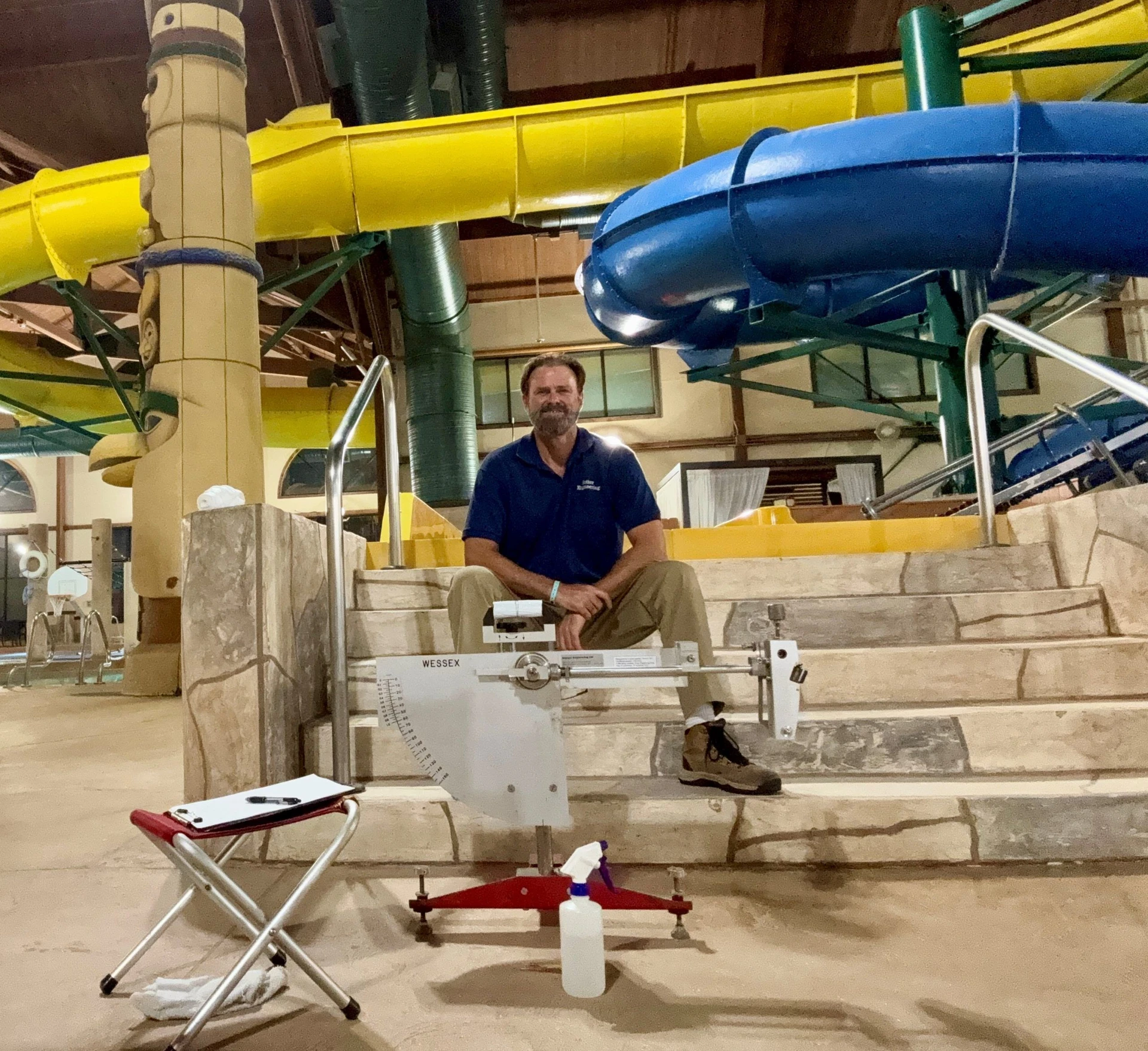
In 2025, Mr. Strautins created another proficiency test for slip resistance testing labs around the world (Proficiency Testing Report No. 33048, Safe Environments Pty Ltd), and twenty-seven labs from five countries on three separate continents participated. Again, Sotter Engineering was found to be one of the top three most accurate labs on the planet. But furthermore, nineteen of the twenty-seven labs that participated in this study were ISO-accredited labs. That means that Sotter Engineering got more accurate results in this study than at least seventeen ISO-accredited labs! So what does that say about ISO accreditation?
ISO-accredited labs usually spend a whole lot of money and time and energy creating lots of paperwork to become ISO-accredited. That means they need to make lots of money (after they’ve given the ISO all that time and money) testing potato chips to verify if they’re “vegan”, testing concrete to make sure it has enough tensile strength, they need to test crackers to make sure they’re truly “gluten-free”, and they need to test floors for slip resistance from time to time as well. ISO labs are usually a “jack of all trades, but masters of none.”
ISO-accredited labs often have pretty lab coats embroidered with their company logo on them, and binders of safety protocols around every corner, but almost all ISO-accredited labs proved themselves in this latest pendulum proficiency test to be less accurate than Sotter Engineering in floor slip resistance testing. We specialize in just this one type of testing, and we know it well after more than two decades! So if you want an expert, hire an expert. If you want an ISO stamp on the report, take the results with a grain of salt, perhaps…
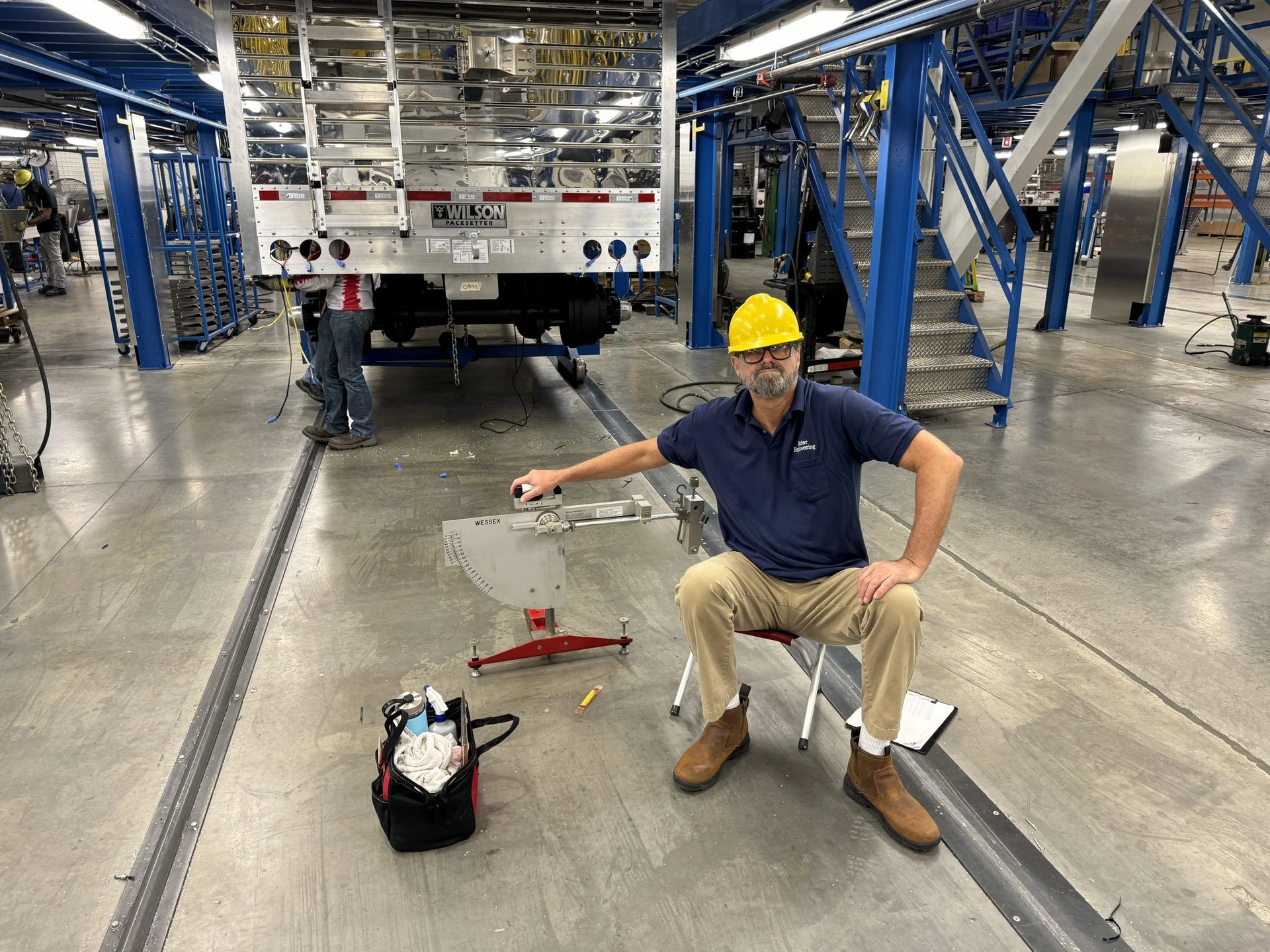
Hire an expert in floor slip resistance testing like Sotter Engineering, and you can be sure you’re getting accurate results and knowledgeable insight into possible remedial solutions to help stop slips on your property. Hire an ISO-accredited lab, and you’ll get some pendulum test results that might be a bit off, but you can get your crackers tested for gluten at the same time!